
As an Amazon Associate, we earn from qualifying purchases. This post contains affiliate links; buying through them costs you nothing extra.
Your cat ate fine all weekend, but the moment you headed back to work, the bowl sat untouched until you walked in the door. If your cat not eating while alone is becoming a daily source of worry, you are far from the only owner dealing with it. Many cats quietly refuse meals when their person is away, and the reasons behind it are both behavioral and environmental. The good news is that most cases come down to routine and environment once illness is ruled out. This guide explains exactly why it happens and gives you seven practical steps you can start today.
In this article:
- Why cats stop eating when left alone
- Is it a medical problem or a behavior problem?
- Fix 1: Rule out illness first
- Fix 2: Adjust the feeding environment
- Fix 3: Stick to a strict schedule
- Fix 4: Reduce background stress
- Fix 5: Use enrichment to build confidence
- Fix 6: Try meal size and texture changes
- Fix 7: Use timed feeding technology wisely
- FAQ
Why Your Cat Not Eating While Alone Is a Real Problem
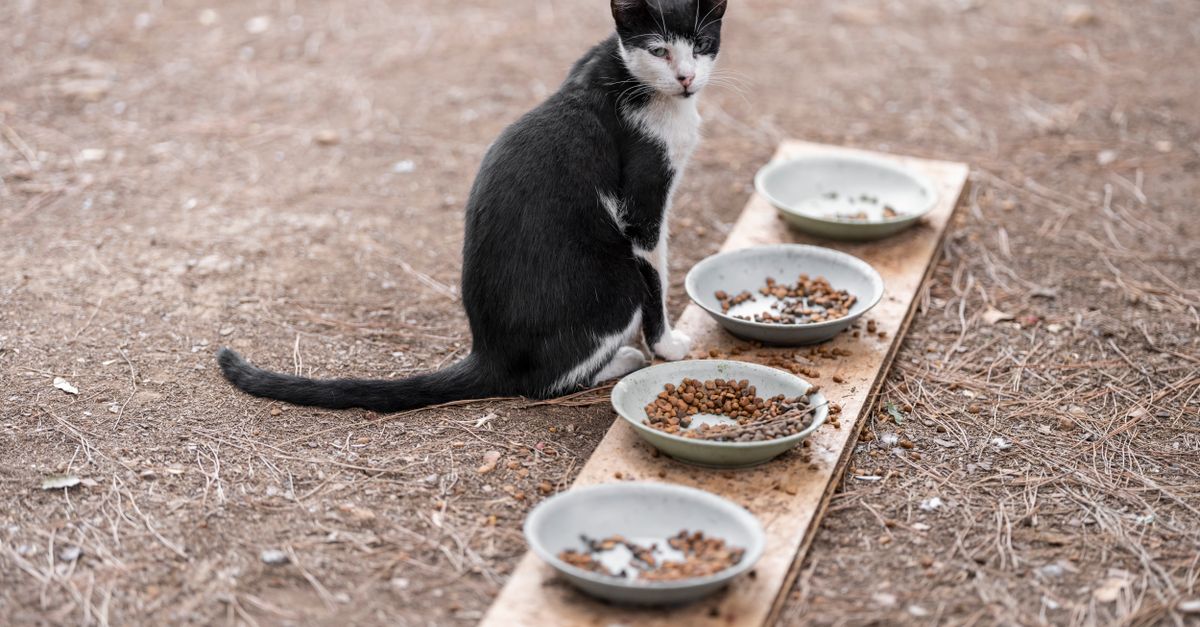
Cats are creatures of association. They often link mealtime with your presence, your sounds, and your routines. When you leave, the sensory cues that normally trigger eating disappear. A cat left alone may simply be waiting for those cues to return. Other cats experience mild anxiety that suppresses appetite, similar to how stress affects human digestion. Either way, skipped meals add up. Consistent under-eating can lead to weight loss, low energy, and in cats with existing health conditions, more serious complications.
Is It Medical or Behavioral?
Before blaming behavior, you need to rule out a physical cause. A cat that skips solo meals may actually be a cat that is not eating at all. Check whether food disappears overnight or on weekends when you are home. If your cat refuses food even with you present, or shows other signs such as vomiting, lethargy, hiding, or drinking unusual amounts of water, schedule a vet visit promptly. The American Veterinary Medical Association recommends annual wellness exams for cats, and sudden appetite changes are always worth raising with your veterinarian.
If your cat eats readily when you are home but leaves the bowl untouched during work hours, the issue is almost certainly behavioral or environmental.
Fix 1: Rule Out Illness First
Even if you suspect stress, start with a quick health check. Dental pain, nausea, and upper respiratory infections can make a medical problem look like a behavior problem. Feel your cat’s gums, watch for drooling, and note whether the food smells off to them. Warm the wet food slightly to release aroma, and see if interest improves. If skipping meals has been happening for more than two or three consecutive days, err on the side of caution and call your vet.
Fix 2: Adjust the Feeding Environment
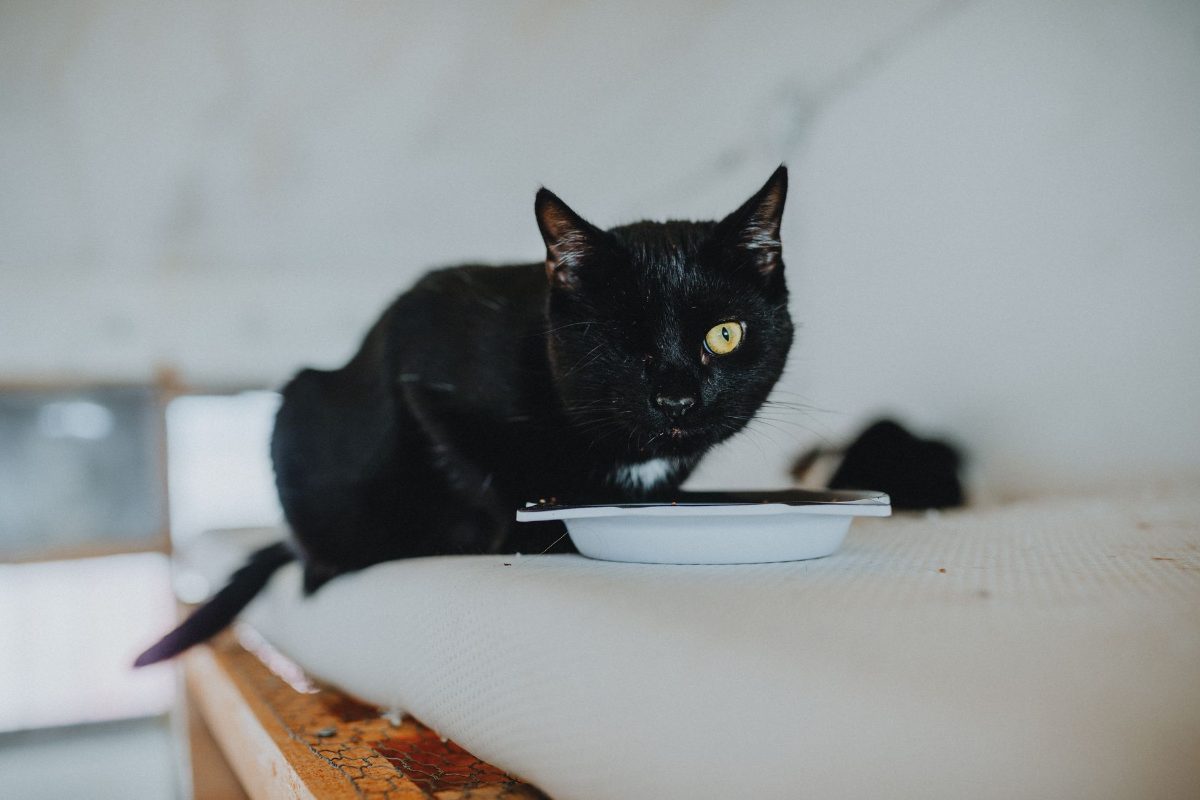
Location matters more than most owners realize. Cats prefer to eat in a quiet, low-traffic spot where they feel safe enough to let their guard down. If the bowl sits near a loud appliance, a dog’s zone, or a busy hallway, your cat may simply feel too exposed to eat alone. Move the bowl to a calm corner. Elevate it slightly if your cat seems uncomfortable bending down. Keep the water source a few feet away from the food, since cats instinctively avoid water that sits right next to their prey, which in the home translates to their meal.
Fix 3: Stick to a Strict Feeding Schedule
A predictable routine is one of the most powerful tools for a cat that skips solo meals. When meals arrive at exactly the same time each day, your cat’s body clock adjusts, hunger peaks at the right moment, and eating becomes automatic rather than dependent on your presence. Set alarms, use a consistent bowl, and feed at the same location every time. Within one to two weeks, many cats begin eating on schedule even when the house is quiet.
If you struggle to maintain this schedule on workdays, look into the automatic cat feeder options covered in our multiple-cat feeder guide for ideas on how timed dispensers support a reliable routine.
Fix 4: Reduce Background Stress
A tense home environment can suppress appetite. Consider whether anything changed recently: a new pet, construction noise, a move, or even a shift in your own schedule. Cats pick up on household tension quickly. Leave a worn T-shirt near the feeding area so your scent is present during meals. A white noise machine or soft music can mask startling outdoor sounds that may cause a nervous cat to abandon the bowl mid-meal. Synthetic calming diffusers, available at most pet retailers, may also help reduce baseline anxiety over several weeks.
Fix 5: Use Enrichment to Build Confidence
A bored or under-stimulated cat is often an anxious cat. Anxiety and poor appetite travel together. Puzzle feeders and food-dispensing toys change mealtime from a passive act into active play, which boosts confidence and ties positive emotion to eating. Rotate toys regularly so novelty stays high. Window perches with bird feeders outside give your cat something engaging to watch during the hours you are away. A more confident, stimulated cat is far less likely to skip meals when you are out.
Fix 6: Try Meal Size and Texture Changes
Some cats refuse to eat when the portion feels overwhelming. Instead of one large morning serving, split daily calories into two or three smaller meals timed throughout the day. Experiment with texture: if your cat ignores dry kibble when alone, try adding a small amount of warm water or switching to a pâté-style wet food with a stronger aroma. Stronger smells activate appetite even in a low-stimulation environment, which is exactly what an empty home provides.
Fix 7: Use Timed Feeding Technology Wisely
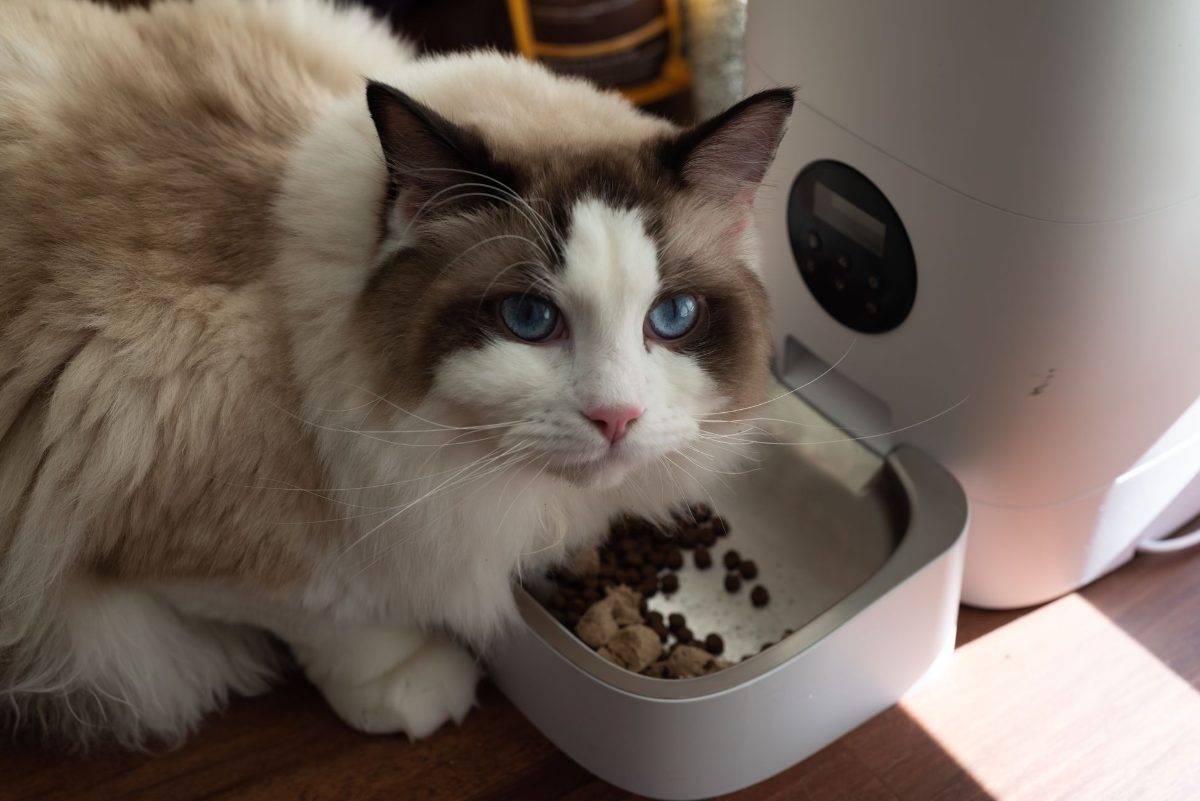
When scheduling and enrichment alone are not enough, a timed automatic feeder can bridge the gap. These devices dispense a pre-set portion at a pre-set time, so a meal appears whether you are in the room or not. Over time, the mechanical sound of the feeder can replace you as the mealtime cue, breaking the dependency on your presence. For households with two cats, our oneisall dual-bowl feeder review explains how split-bowl designs help each cat eat at their own pace without competition. Pair a feeder with a pet camera so you can confirm your cat actually approaches and eats during work hours.
Two feeders that keep mealtimes steady while you are out
- Best for scheduled meals
oneisall Dual-Bowl Feeder
Serves meals at the same times whether you are home or not, in two separate bowls.
- Best for cats that graze
Gardner Pet Gravity Set
Keeps food available all day for cats that nibble rather than eat one big meal.
If your cat has stopped eating for more than a day, see your vet first — a feeder will not fix a medical cause.
FAQ
Why is my cat not eating while alone but eats fine when I’m home?
Your cat has likely formed a strong association between your presence and mealtime. When that cue disappears, appetite does too. A timed feeder and a strict schedule can gradually replace you as the trigger for hunger.
How long can a cat safely go without eating?
Most healthy adult cats can go 24 to 48 hours without eating before health risks rise. Beyond that, fatty liver disease becomes a concern, especially in overweight cats. If skipped meals extend past two days, contact your vet.
Can separation anxiety stop a cat from eating when you are out?
Yes. Mild feline separation anxiety can suppress appetite. Signs include hiding, over-grooming, or eliminating outside the litter box in addition to not eating. A vet or certified feline behaviorist can guide you through a desensitization plan.
Should I leave dry food out all day instead of scheduled meals?
Free feeding removes the scheduled cue that helps cats learn to eat independently. Timed meals are generally more effective for a cat that skips solo meals because they create predictable hunger peaks that do not depend on your presence.
Will a second cat help?
A companion can reduce boredom and anxiety for some cats, but introductions require careful planning and are not guaranteed to fix the eating issue. Address the feeding behavior first before adding another pet to the household.
When should I see a vet about my cat not eating?
Any time skipped meals last more than two consecutive days, are accompanied by vomiting, weight loss, hiding, or unusual thirst, or occur alongside other behavior changes, a vet visit is the right call.
Your cat does not have to wait by an empty bowl all day. Start with one change this week, whether that is moving the feeding spot, setting a firm mealtime, or adding an afternoon puzzle feeder. Small shifts compound quickly. Apply these fixes consistently, track whether the bowl empties during work hours, and adjust from there. A well-fed, calm cat is waiting on the other side of a little patience and the right routine.
Gear that helps with this
These are products we have reviewed in full, chosen because they address the specific problem covered above — not because they are the cheapest or the most advertised.
- oneisall dual-bowl automatic feeder — Small timed portions spread across the day suit a cat that will not finish one large bowl alone. Read our full review.
- Gardner Pet gravity cat feeder set — If you would rather have no electronics involved, a gravity set keeps food present without a timer. Read our full review.
The Smart Cat Owner’s Gadget Checklist
20 gadgets worth owning, 8 to skip, and how to choose the right one — sent straight to your inbox.