
As an Amazon Associate, we earn from qualifying purchases. This post contains affiliate links; buying through them costs you nothing extra.
You leave for work and your cat looks perfectly calm — until you come home to shredded curtains, knocked-over plants, and a cat who won’t stop meowing at your ankles. Sound familiar? A cat bored alone is one of the most common complaints among working pet owners, and the frustration is completely understandable. The good news is that feline boredom is very fixable without rearranging your entire schedule. In this guide, you will learn exactly why cats act out during the day, seven proven ways to keep them mentally and physically stimulated, and when a behavior problem might actually signal something more serious.
In this article:
- Why cats get bored when left alone
- Signs your cat is understimulated
- 7 practical fixes to fight daytime boredom
- When boredom becomes a health concern
- The one category of gadget that genuinely helps
- FAQ
Why a Cat Bored Alone Is a Real Problem, Not Just a Mood
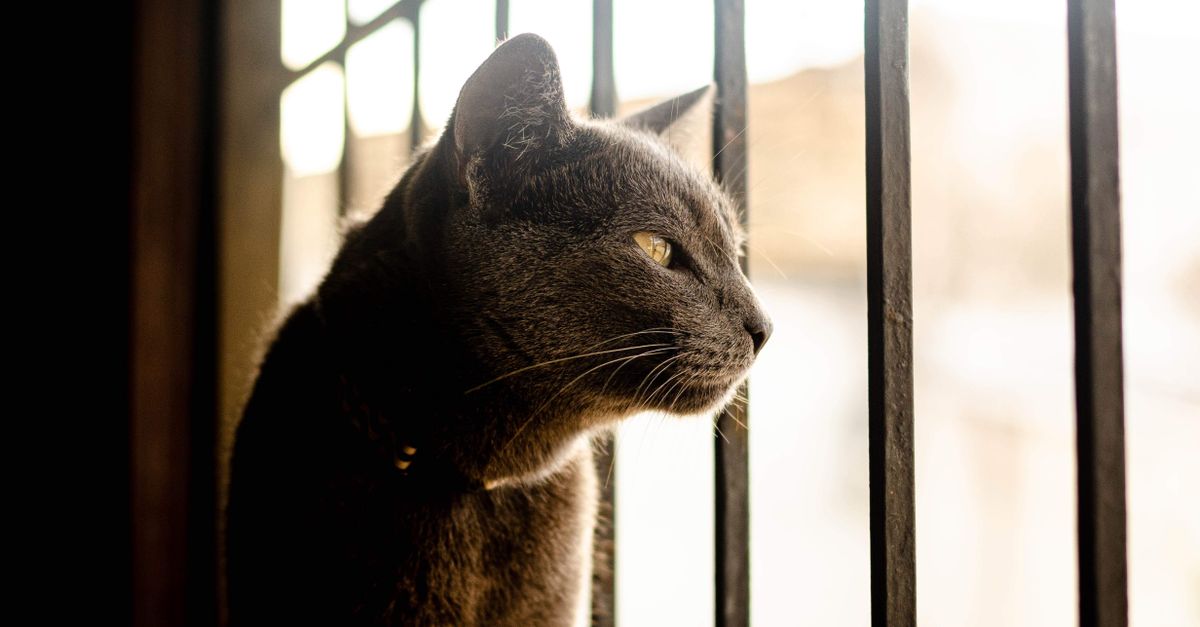
Cats have a reputation for being independent, but that reputation is misleading. Domestic cats are crepuscular hunters by nature, meaning they have natural energy bursts in the early morning and late afternoon — right when most owners are commuting. When there is nothing to hunt, chase, or explore, that pent-up energy has to go somewhere. It usually goes somewhere destructive.
Chronic boredom also causes real stress. A continuously under-stimulated cat may develop compulsive behaviors, over-groom to the point of bald patches, or stop eating reliably. If your cat is not eating while alone, boredom and stress are often contributing factors worth addressing before assuming a medical cause.
Signs Your Cat Is Understimulated
Before jumping to solutions, confirm boredom is actually the issue. Common signs include:
- Excessive meowing the moment you walk in the door
- Knocking items off shelves or counters
- Chasing or attacking your ankles unprovoked
- Over-grooming or hair pulling
- Sleeping far more than usual, then being hyperactive at night
- Scratching furniture aggressively
- Getting into cabinets, trash cans, or off-limits areas
If over-grooming leads to visible bald patches or skin irritation, schedule a vet visit. That can indicate a medical or anxiety issue beyond simple boredom.
Fix 1: Create a Window Perch With a View
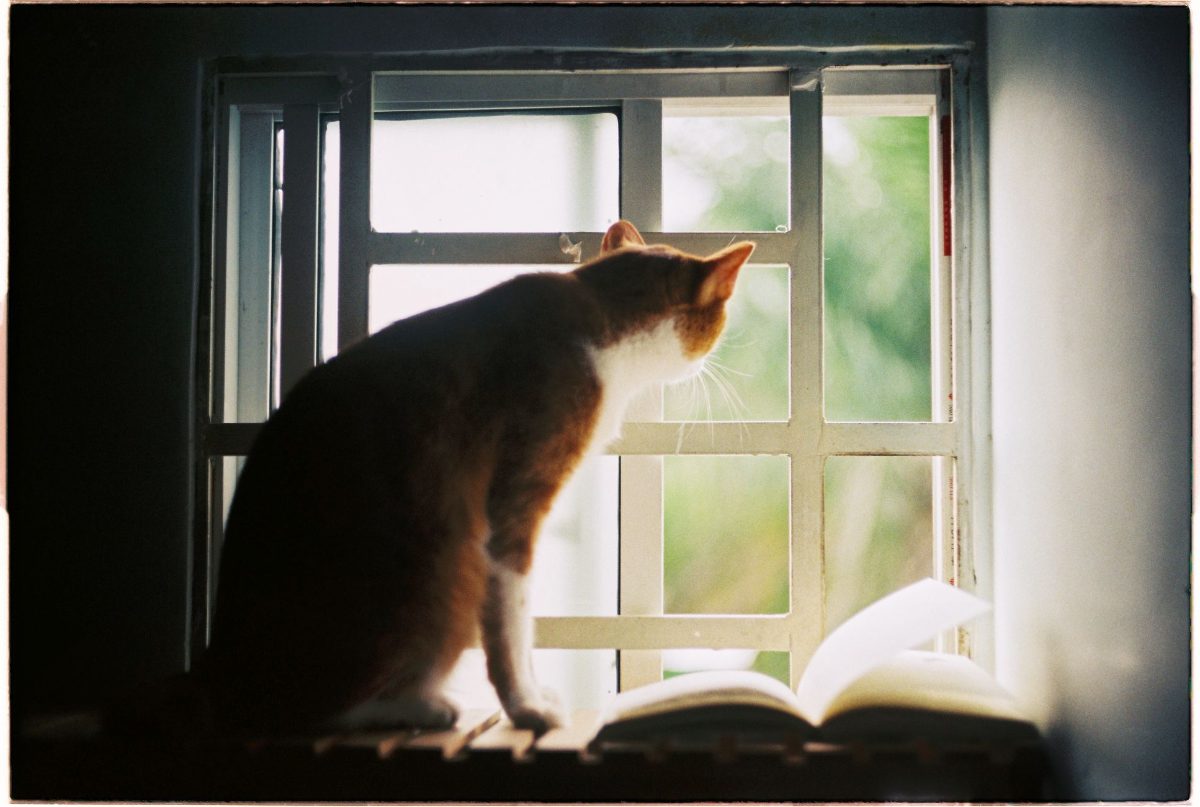
Cats are visual hunters. A window with outdoor activity is essentially free television for them. Place a sturdy perch at window height where your cat can watch birds, squirrels, and passing people. Facing a yard or a busy street is ideal. Add a bird feeder just outside the glass to make the view interactive. This single change can occupy a cat for several hours without any effort from you once it is set up.
Fix 2: Rotate Toys Instead of Buying More
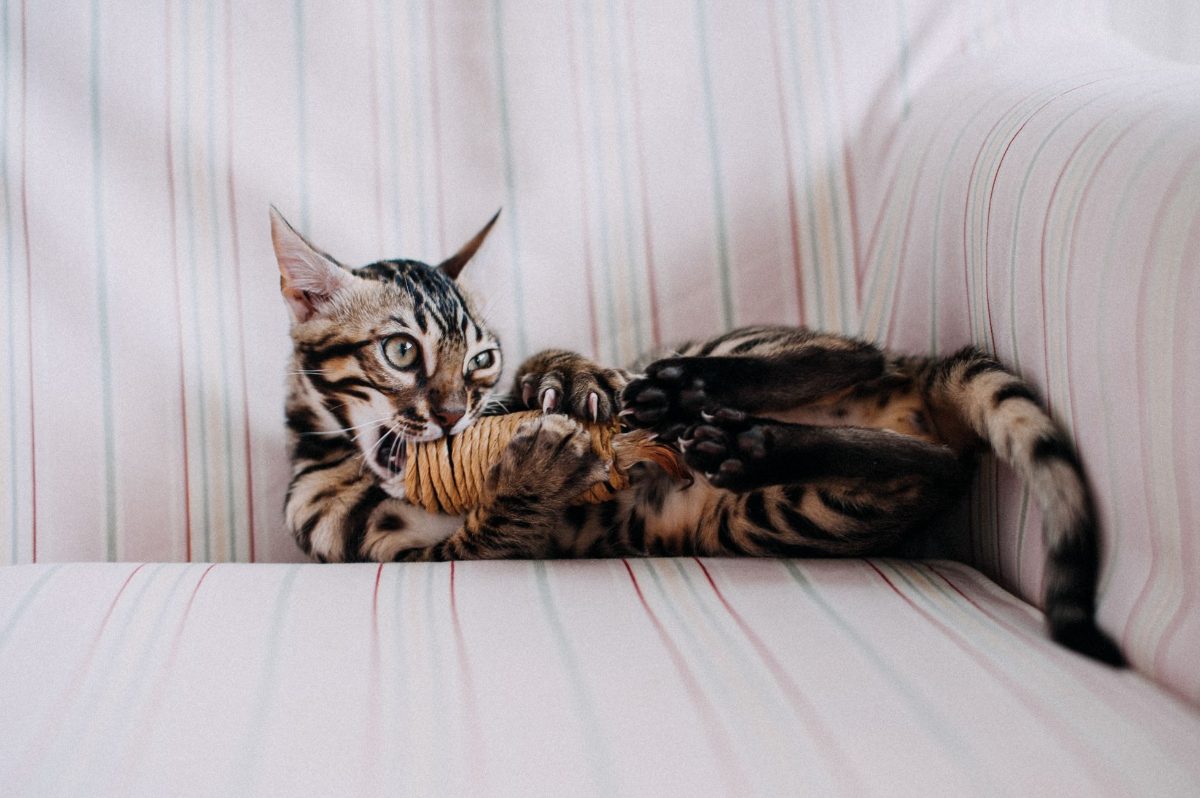
Most cats ignore toys after two or three days because the novelty wears off. The fix is not spending more money — it is rotating what is available. Divide your cat’s toys into three groups. Leave one group out for a week, then swap it for the next group. When each set reappears, it feels new again and triggers genuine play interest. Toys with different textures, sounds, and movement patterns work best across rotations.
Fix 3: Use Puzzle Feeders to Slow Down Meals
Instead of leaving food in a plain bowl, put a portion of the daily meal inside a puzzle feeder or lick mat. Your cat has to work for the food, which mimics the mental effort of hunting. The activity typically takes ten to twenty minutes and leaves cats calmer and more satisfied afterward. This is especially useful for cats who wolf down meals and then have nothing left to occupy them. If you are also managing automatic feeding schedules, combining a puzzle feeder with a scheduled dispenser gives your cat a productive routine to anticipate. For ideas on setting up feeding schedules, see our guide on how to choose an automatic cat feeder for multiple cats.
Fix 4: Build Vertical Space Throughout Your Home
Cats feel safer and more stimulated when they can move vertically. A cat who can climb to different heights, survey a room from above, and jump between platforms is a cat who is exercising both body and mind. Cat trees, wall-mounted shelves, and even cleared-off bookcase tops all count. You do not need an elaborate or expensive setup. A single tall cat tree near the window perch you already created doubles the enrichment value of that space immediately.
Fix 5: Leave Controlled Sound and Motion
Complete silence in an empty home can be unsettling for cats. Leaving a television or radio on low volume gives ambient sound that reduces that eerie quiet. Nature videos featuring birds or small animals hold a cat’s attention for stretches of time. Be mindful of volume — very loud sound causes stress rather than relieving it. The goal is background noise that signals normalcy, not a sensory overload.
Fix 6: Schedule a Focused Play Session Before You Leave
Ten minutes of active, intentional play before you head out the door does more than an hour of passive enrichment during the day. Use a wand toy or laser pointer to get your cat running, leaping, and pouncing. End the session with a small treat or a meal so the cat associates the hunt with a reward. A tired cat who has already burned off morning energy is far more likely to sleep peacefully for the first few hours you are gone.
Fix 7: Consider a Second Cat — But Plan It Carefully
Two cats entertain each other in ways no toy or gadget ever fully replaces. If your lifestyle supports it and your current cat has a sociable temperament, adding a companion can transform a bored, destructive cat into a calmer, happier one. That said, introducing cats incorrectly causes more stress, not less. A slow, room-by-room introduction over one to two weeks is essential. The American Association of Feline Practitioners offers practical guidance on multi-cat household introductions that is worth reading before you bring a second cat home.
When a Gadget Can Fill the Gap
One category of device genuinely helps working cat owners: interactive pet cameras with two-way audio and a built-in treat dispenser. These let you check in visually, speak to your cat, and even toss a treat from your phone during a lunch break. The interaction gives your cat a moment of stimulation during the quietest part of the afternoon and helps you feel less guilty about being away. If checking in frequently matters to you, our indoor pet camera review covers what to look for in a reliable home monitoring option.
FAQ
How do I know if my cat is just sleeping or actually bored?
Cats sleep between twelve and sixteen hours a day naturally. Boredom shows up in the waking hours — destructive behavior, excessive vocalization, or frantic energy when you return home.
Is my cat bored alone if she ignores her toys?
Often yes. Toy fatigue is real. Try rotating them or adding a new texture. If she ignores everything including food puzzles and window views, a vet check for underlying anxiety is a reasonable next step.
How much playtime does a cat need each day?
Most adult cats benefit from two focused play sessions of ten to fifteen minutes each. Kittens and young adults need more. Even one solid session before you leave makes a noticeable difference.
Can a cat bored alone develop lasting behavior problems?
Yes, if the boredom is chronic and severe. Long-term stress in cats can cause compulsive over-grooming, litter box avoidance, and aggression. Early intervention with enrichment and routine is much easier than reversing established problem behaviors.
Do automatic feeders help with daytime boredom?
They help indirectly by giving cats a scheduled event to anticipate during the day. Pairing scheduled feeding with a puzzle feeder extends the mental stimulation. If night feeding schedules are disrupting your sleep, you might also find our guide on why your cat keeps waking you up at night useful.
What is the fastest single change I can make today?
Move a chair or shelf to a window your cat does not currently use. Add a bird feeder outside it. That one change, done today, can noticeably reduce destructive behavior within a few days.
Your cat does not need you home every hour — they need a home that gives them something to do. Start with the window perch. Add a toy rotation this week. Squeeze in ten minutes of wand play each morning. Small changes stack quickly, and a stimulated cat is a calmer, happier cat. Pick one fix from this list and try it tomorrow. You will both feel better for it.
Gear that helps with this
These are products we have reviewed in full, chosen because they address the specific problem covered above — not because they are the cheapest or the most advertised.
- oneisall dual-bowl automatic feeder — Timed meals split the day into events your cat can wait for, instead of one bowl she finishes by 9am. Read our full review.
- Ring Indoor Cam — The quickest way to learn what she actually does all day is to watch a few hours of it. Read our full review.
The Smart Cat Owner’s Gadget Checklist
20 gadgets worth owning, 8 to skip, and how to choose the right one — sent straight to your inbox.