
As an Amazon Associate, we earn from qualifying purchases. This post contains affiliate links; buying through them costs you nothing extra.
Dogs that bark when you leave are usually experiencing separation anxiety or boredom — two different problems that need different fixes, and both are addressable with a consistent plan.
Quick answer
- Record your dog for the first 30 minutes after leaving to tell whether the barking is anxiety-driven or boredom-driven.
- Practice short, calm departures — start at 30 seconds and gradually build up — so your dog learns you always come back.
- Tire your dog out before leaving with a walk, play session, or puzzle feeder to reduce anxiety and restlessness during the day.
- Add a midday break via a dog walker or daycare, and use background sound at home to lower your dog’s sense of isolation.
Why Dogs Start Barking When I Leave the House
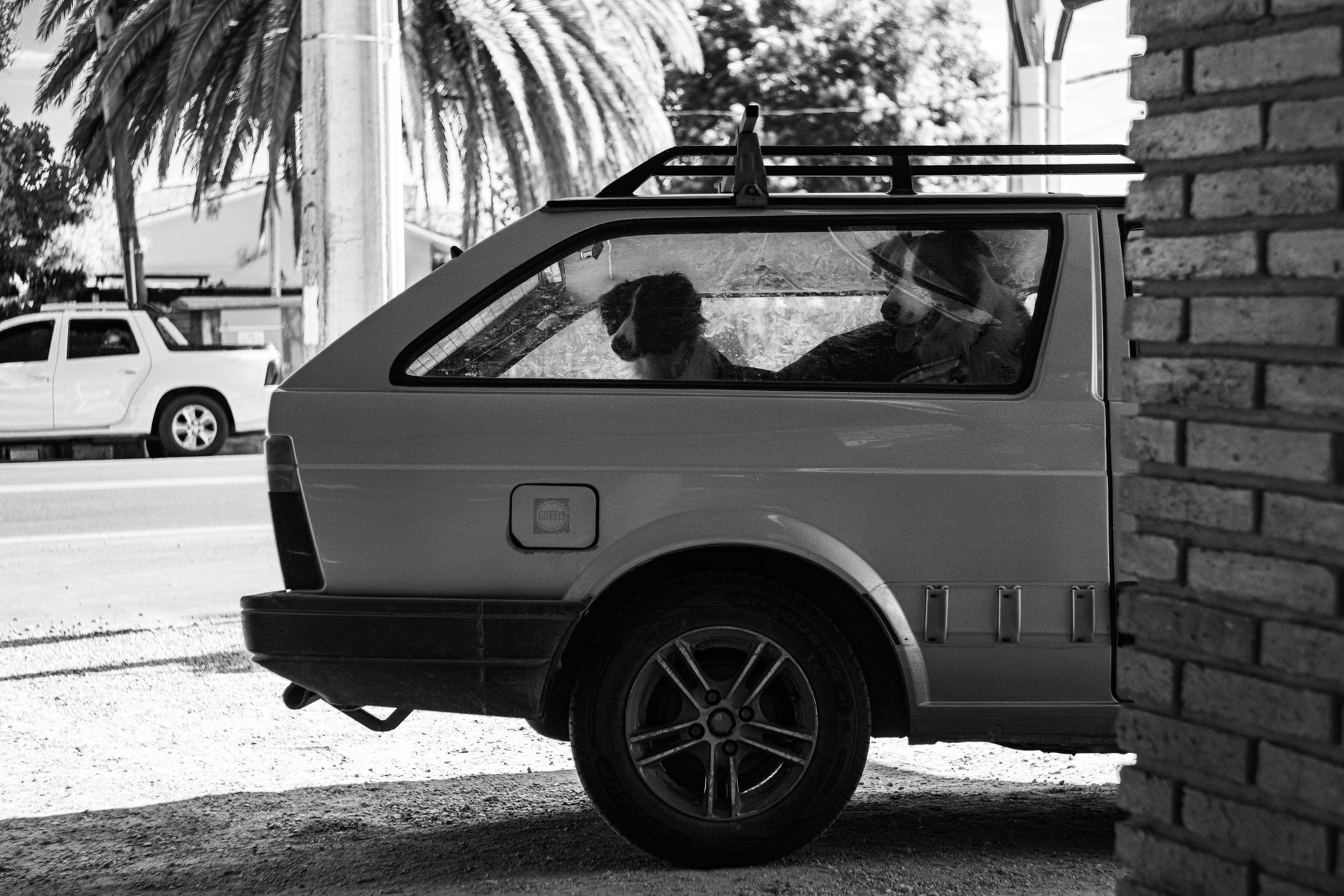
Before you can fix the problem, you need to understand it. Most dogs that bark, whine, or destroy things when alone are experiencing some version of separation anxiety or separation distress. These are not the same thing, but the outward signs often look similar.
Separation anxiety is a genuine stress response — your dog isn’t being dramatic or “bad.” Their nervous system is telling them that being alone is dangerous. This is especially common in dogs who were adopted as adults, dogs who went through changes in routine (like a pandemic adjustment), velcro breeds like Labrador Retrievers and Border Collies, and dogs who simply haven’t been taught that being alone is safe.
Boredom is a different culprit. A dog who’s under-exercised, under-stimulated, or just restless will bark out of frustration, not fear. Understanding which one you’re dealing with shapes everything you do next.
Step 1: Figure Out Whether It’s Anxiety or Boredom
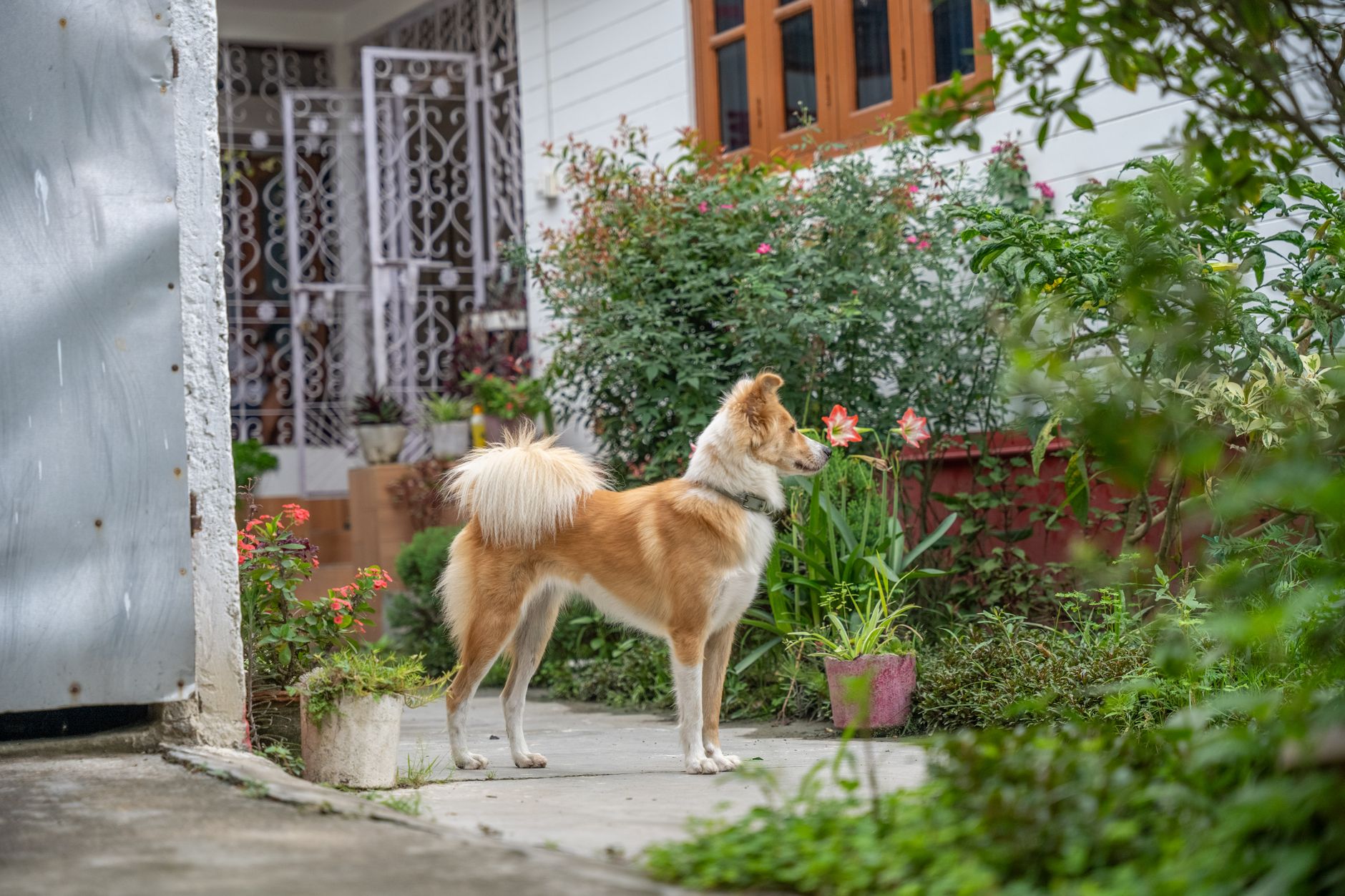
The timing matters. If your dog starts barking within the first five to ten minutes of you leaving and the behavior seems frantic, scratching at doors or self-soothing behaviors like excessive licking, that leans more toward anxiety. If the barking tends to happen later in the day or ramps up when something triggers it — like a squirrel outside — it may be boredom or frustration.
A simple way to check: set up your phone or a cheap camera to record your dog for the first 30 minutes after you leave. Watch what actually happens. You might be surprised.
Step 2: Start Practicing Short Departures
Many owners unknowingly make things worse by always leaving for long stretches. Your dog never gets a chance to learn that you come back.
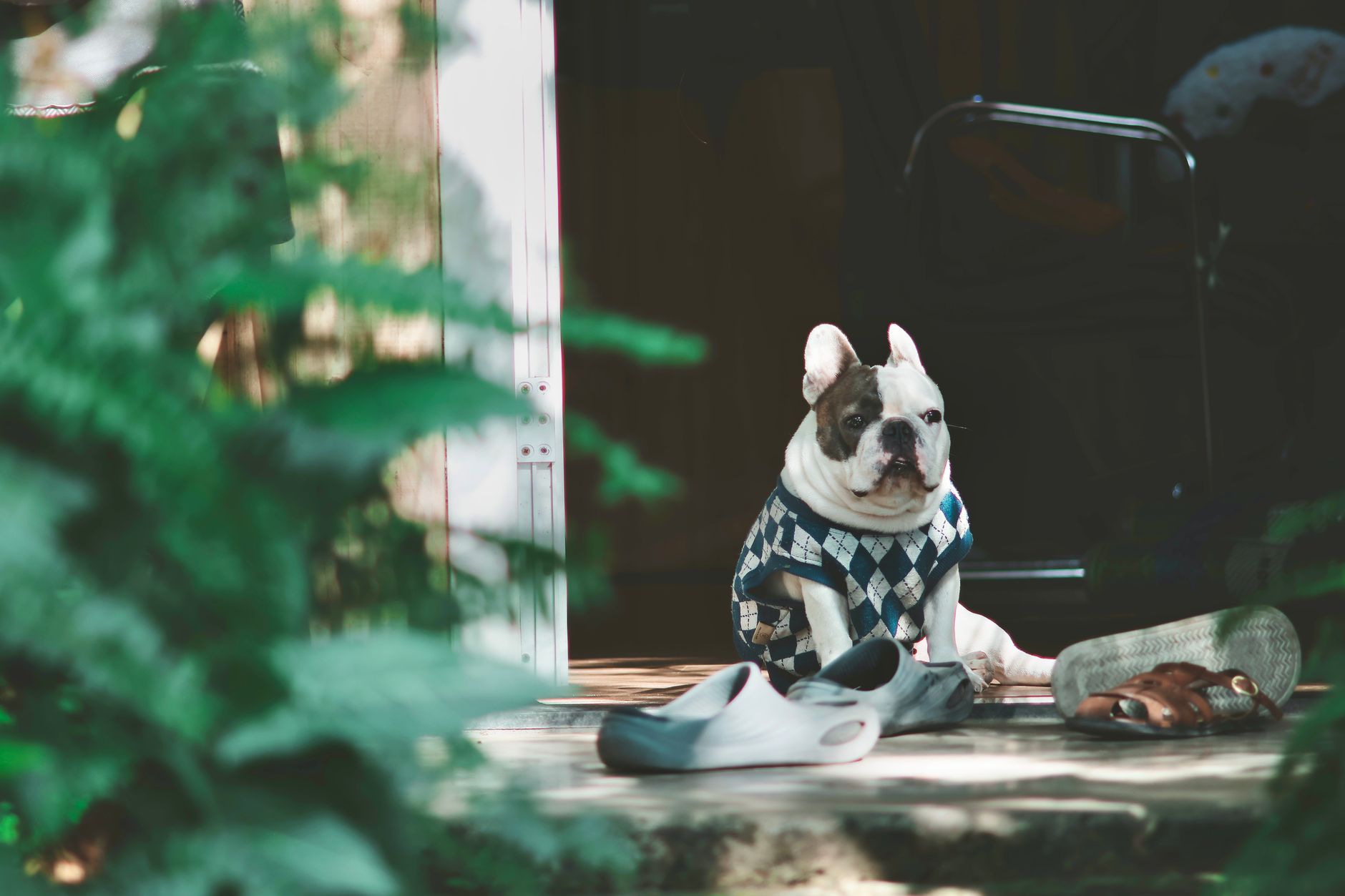
Start practicing short, low-drama departures. Grab your keys, step outside for 30 seconds, come back in. Do this several times a day. Gradually stretch it to two minutes, then five, then fifteen. You’re teaching your dog’s nervous system that the door closing is not a catastrophe — it’s just a thing that happens, and then you come back.
Keep your hellos and goodbyes completely calm. No long hugging sessions or sad eyes at the door. The more matter-of-fact you are, the safer your dog feels.
Step 3: Tire Them Out Before You Leave
A tired dog is a calmer dog. This isn’t a cure-all, but it is a powerful lever. A solid walk or play session in the morning — before you leave — burns off physical energy and gives your dog’s brain something to process.
Mental stimulation matters just as much as physical. A dog who’s worked their brain in the morning has less bandwidth for anxiety spirals. Puzzle feeders, sniff work in the yard, or even a short training session using basic commands can make a meaningful difference in how your dog handles alone time.
Step 4: Create a Safe, Predictable Space
Your dog should have a designated spot they feel genuinely comfortable in — not just tolerate. This might be a crate they’ve been properly introduced to, a gated room, or a specific area of the house.
The key word is properly introduced. If your dog sees their crate as a punishment zone, it makes anxiety worse. The space should be associated with good things: a favorite blanket, a chew toy they only get when you leave, and maybe a piece of your worn clothing nearby (your scent is genuinely comforting to dogs).
Consistency helps enormously. Using the same space every day gives your dog a familiar anchor when everything else feels uncertain.
Step 5: Use Sound to Reduce Isolation
Silence can feel eerie for a dog alone in a house. Background noise — a TV left on a calm channel, a radio playing soft music, or a white noise machine — can lower that “on alert” feeling that triggers barking.
There’s no magic channel or genre, but avoid anything with frequent loud sounds, excited voices, or sound effects that mimic doorbells or knocking. The goal is ambient, neutral sound that signals normalcy.
Step 6: Consider Whether They Need More Social Contact During the Day
Some dogs genuinely struggle with eight or more hours alone, and that’s not a character flaw — it’s a real need. If your current setup has your dog alone all day with no break, adding a midday walk from a neighbor, a dog walker, or a doggy daycare day or two a week can be genuinely transformative.
Even one break in the middle of the day — a 20-minute walk, a few minutes of play — can reset your dog’s stress levels and dramatically reduce problem behavior in the afternoon hours.
When Technology Can Help Fill the Gap
If you’re worried about what’s happening while you’re away, a category of device worth knowing about is indoor pet cameras with two-way audio. The value isn’t just surveillance — it’s the ability to check in, speak to your dog in a calm voice, and see whether your intervention strategies are actually working. Being able to see that your dog is resting quietly at 11 a.m. instead of barking is genuinely reassuring, and it tells you whether your morning routine is helping.
Automatic treat dispensers — devices that drop a small reward on a timer or on command through an app — give dogs something to look forward to during the day. The benefit isn’t the treat itself, it’s the small moment of engagement and positive association with being home alone.
These tools don’t replace training, but they can support it, especially when you’re not physically there.
FAQ
Will my dog eventually stop barking when I leave?
Sometimes, but rarely on its own. Barking that comes from boredom or a change in routine often fades within a few days to a couple of weeks as your dog settles in. Barking driven by separation anxiety usually does not fade by itself and can get worse without a plan, because every departure repeats the stress. If the barking has lasted more than two weeks, or comes with scratching at doors, pacing, drooling or accidents, treat it as an anxiety problem: start the short-departure practice in Step 2 and talk to your vet or a certified behaviorist.
How can I record my dog barking when I’m not home?
The easiest option is a pet camera with sound or motion alerts, which saves clips you can review and show your vet or trainer. Our guide to choosing a pet camera for separation anxiety covers what to look for. A free alternative is an old phone or laptop running a voice-recorder app or a video call, pointed at the spot where your dog waits. Anxiety-driven barking tends to start soon after you leave, so the first 30 to 45 minutes of footage is the most useful part to review.
How long does it take to see improvement?
It varies by dog and how consistent you are, but many owners notice meaningful changes within two to four weeks of a structured routine. Dogs with more severe anxiety may need longer, and some benefit from working with a certified dog trainer or behaviorist.
Should I get another dog so they have company?
Not necessarily. A second dog doesn’t automatically solve separation anxiety — some anxious dogs remain just as distressed even with a companion. Solve the root issue first.
Is barking when alone always separation anxiety?
No. It could be boredom, a reaction to outside noises, territorial behavior, or even a medical issue causing discomfort. If the behavior is sudden or accompanied by other changes, a vet visit is the right first step.
Will punishing my dog for barking when I get home help?
No — and it can make things worse. By the time you’re home, your dog has no connection between the scolding and the barking from hours ago. It just adds confusion and erodes trust.
My dog only barks when I specifically leave, not when my partner does. Why?
Dogs form strong attachments to specific people. This actually confirms anxiety over a particular bond, which is normal. The same training steps apply — your dog just needs to learn that your departures are safe too.
At what point should I talk to a vet or professional trainer?
If your dog is injuring themselves trying to escape, not eating, or seems completely unable to settle even after consistent effort over several weeks, talk to your vet. A professional trainer who specializes in separation anxiety can also create a customized plan that’s much more effective than general advice.
Start small, stay consistent, and remember — your dog isn’t trying to make your life harder. They just haven’t learned yet that you always come back. Help them learn that, and everything else gets easier.
For further reading, see the ASPCA guide to separation anxiety in dogs.
Related reading: My Dog Won’t Drink Water While I’m at Work — What’s Going On and How Do I Fix It? and Double Handle Dog Leash Review: Plutus Pet 6 FT Lead.
Gear that helps with this
These are products we have researched in depth that fit the problem covered above.
- Gifts for Dog Owners: 11 Smart Gadgets They’ll Actually Use – read our guide, or see our top pick on Amazon.
- Best Dog Leashes: 5 Picks for Pullers, Dark Walks and Runs – read our guide, or see our top pick on Amazon.
- AirTag Dog Collar Holder: Honest GOCII 2-Pack Review – read our guide, or see our top pick on Amazon.
- Pet Camera for Separation Anxiety: Stop the Barking in 7 Steps – read our guide, or see our top pick on Amazon.
The Smart Dog Owner’s Gadget Checklist
20 gadgets worth owning, 8 to skip, and how to choose the right one — sent straight to your inbox.
2 thoughts on “Dog Won’t Stop Barking When I Leave: Causes and Fixes”