
As an Amazon Associate, we earn from qualifying purchases. This post contains affiliate links; buying through them costs you nothing extra.
When a dog won’t drink water while you’re at work, the cause is usually behavioral or environmental, not medical — and most cases resolve with a few targeted changes to your setup and daily routine.
Quick answer
- Check for medical red flags first: lethargy, dry gums, or food refusal alongside water refusal all warrant a vet visit before trying home fixes.
- Refresh water mid-day if possible; dogs with sensitive noses often reject water that has been sitting out since morning.
- Move the bowl to where your dog naturally rests, and try a different bowl material — plastic, steel, and ceramic each affect how water smells to your dog.
- A circulating pet water fountain filters and moves water continuously, keeping it fresher and more appealing throughout the full workday without you being home.
Why a Dog Won’t Drink Water When Home Alone
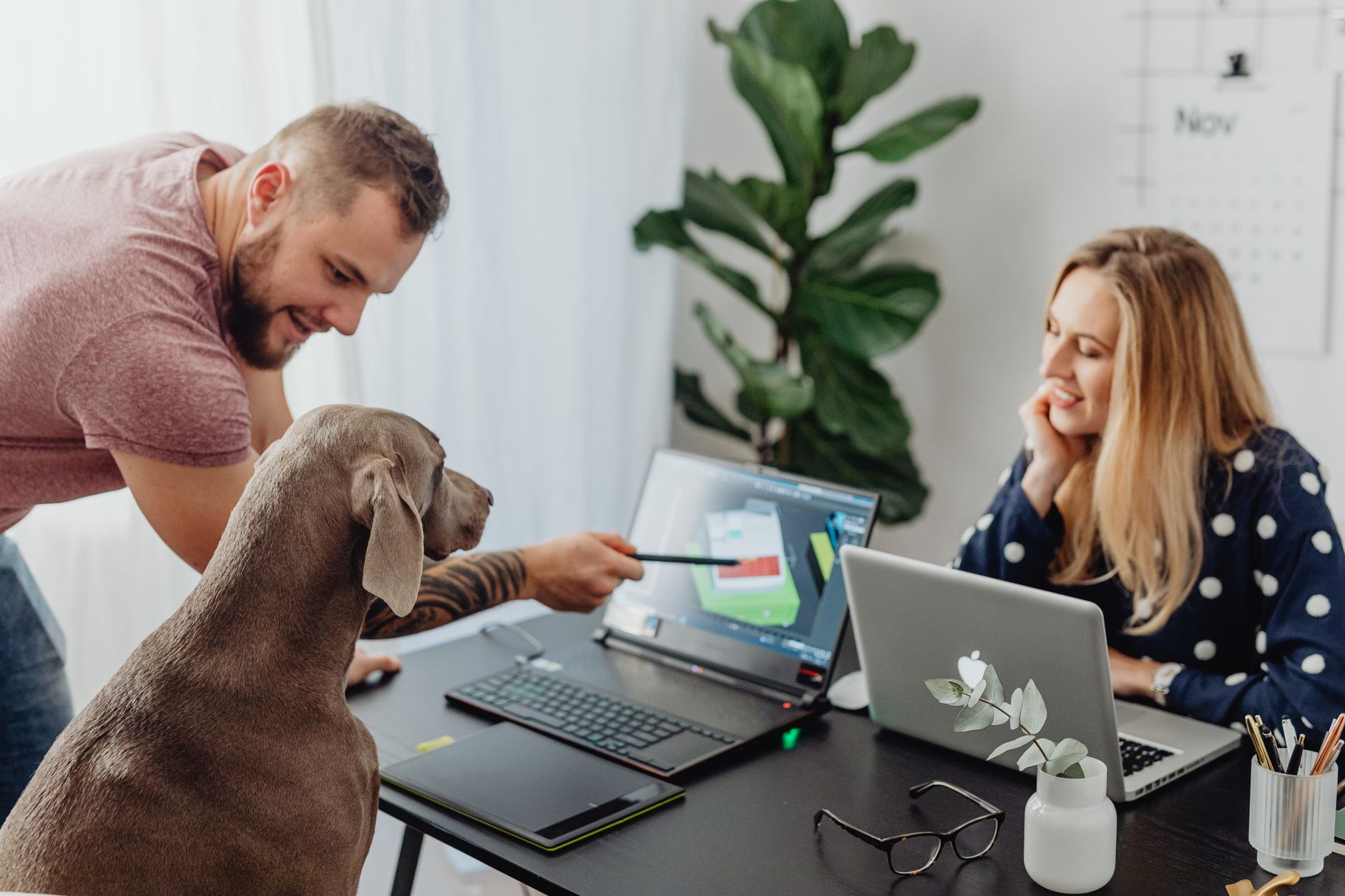
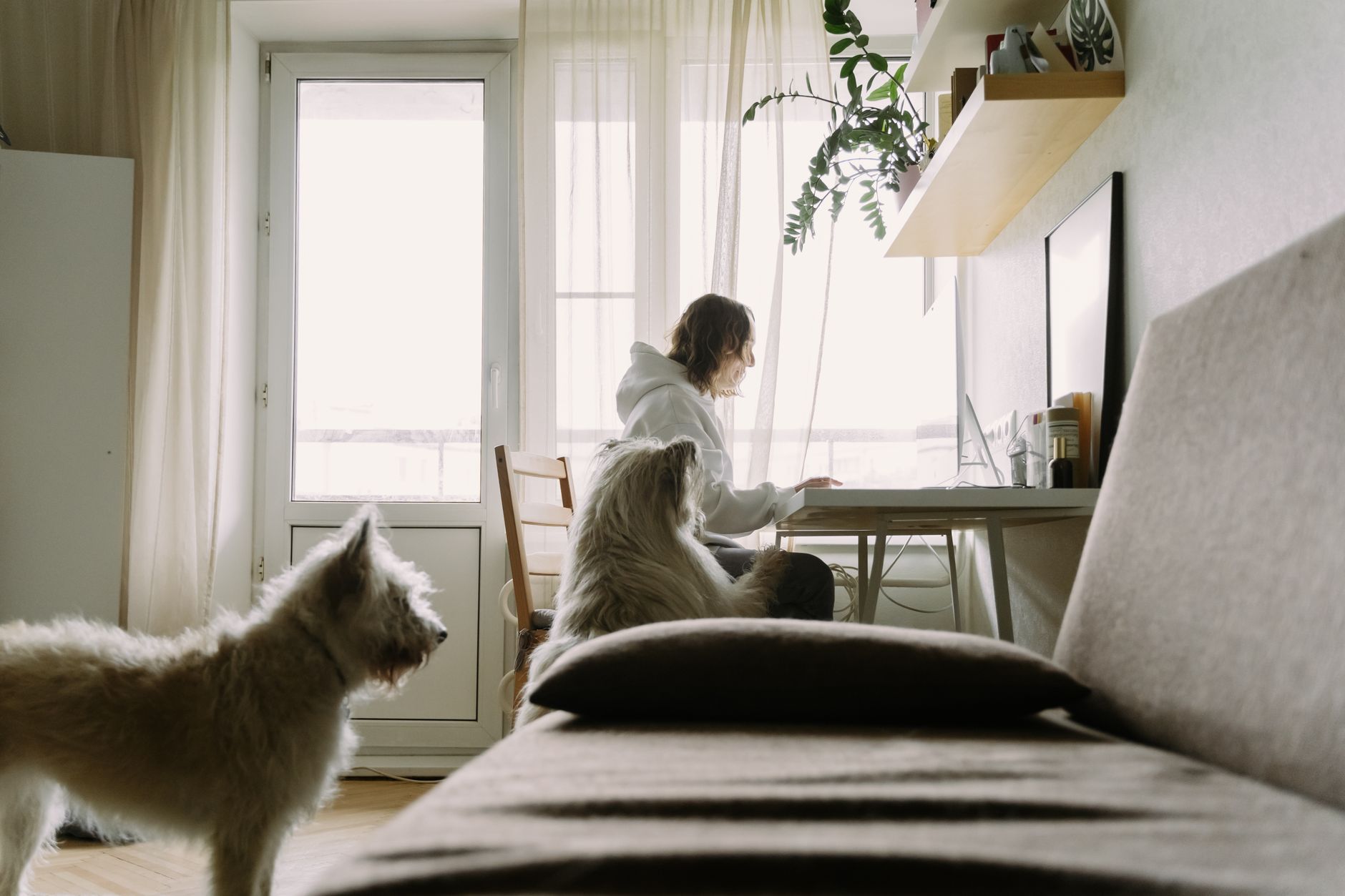
Dogs are social creatures, and their habits are deeply tied to yours. Many dogs simply don’t bother eating or drinking much while their person is away — not because anything is medically wrong, but because you’re not there. You’re the one who refills the bowl, moves around the kitchen, and gives them a reason to get up and wander over. Without that social cue, some dogs just… wait.
Other times the problem is the water itself. A bowl that’s been sitting out since morning collects dust, pet hair, and bacteria. Dogs have a strong sense of smell, and stale water can be genuinely off-putting to them — even if it looks perfectly clean to you.
The location of the bowl also matters more than most owners realize. A bowl tucked in a corner or near a noisy appliance can make a dog reluctant to drink, especially a more anxious dog who’s already unsettled by being alone.
Step 1: Rule Out a Medical Cause First
Before you try any household fixes, take a moment to observe your dog’s overall behavior and physical condition. If your dog seems lethargic, is refusing food as well, has dry gums, or you’re seeing any other symptoms alongside the water refusal, that warrants a vet visit — don’t wait on that.
Temporary changes in drinking habits tied to being home alone are common and usually harmless. Consistent, total refusal to drink over multiple days, or dramatic changes in thirst in either direction, is a different story and should be checked out professionally.
Step 2: Freshen the Water More Than Once a Day
This one sounds obvious, but most busy owners fill the bowl once in the morning and consider it done. Dogs — especially dogs with sensitive noses — often reject water that’s been sitting out for hours.
If you have any way to pop home at lunch or have a neighbor, friend, or dog walker who can swing by mid-day, ask them to dump and refill the bowl. Fresh, cool water makes a real difference. Even if a quick midday refresh isn’t possible, at minimum, replace the water the moment you get home and watch whether your dog drinks more eagerly with a fresh bowl.
Step 3: Change the Bowl Location
Put yourself in your dog’s position. If their water bowl is in the same spot as their food bowl, right next to a noisy refrigerator, in a corner where they feel trapped, or anywhere that might feel exposed or uncomfortable — they may be avoiding that whole area.
Try moving the water bowl to a spot your dog naturally hangs out during the day. Watch where they tend to nap or rest when you’re home. Put a secondary bowl there. Having water available in more than one location gives your dog options, and sometimes that’s all it takes.
Step 4: Experiment With the Bowl Material
Some dogs dislike certain bowl materials and won’t drink from them readily. Plastic bowls can develop small scratches over time that harbor bacteria and odors — your dog smells this even when you can’t. Some dogs are put off by their reflection in a shiny stainless steel bowl. Some just prefer ceramic.
Try switching materials and see if anything changes. Clean whatever bowl you use thoroughly, every single day. A quick rinse isn’t enough — bowls need a proper wash with dish soap regularly to stay fresh-smelling to a dog’s nose.
Step 5: Add a Little Flavor to Encourage Drinking
If your dog just needs a nudge, a small amount of low-sodium chicken or beef broth added to the water bowl can make it dramatically more appealing. Make sure whatever broth you use contains no onion, garlic, or other ingredients that are harmful to dogs — plain, low-sodium, dog-safe broth only.
You can also try adding a few ice cubes. Some dogs find cold, slightly chilled water much more interesting and will drink more of it than room-temperature water.
Step 6: Build a Drinking Habit Into Your Morning Routine
Dogs thrive on routine. If you make a point of encouraging your dog to drink before you leave — bring them to the bowl, wait for them, make it part of the departure ritual — you’re building a habit that helps ensure they at least start the day hydrated.
Pair this with encouraging them to drink as soon as you get home. Over time, your dog learns: before the human leaves, drink. When the human comes back, drink. That’s two guaranteed hydration windows even on the busiest days.
Step 7: Consider a Circulating Water Fountain for Dogs
If you’ve tried everything above and your dog still ignores standing water during the day, this is where a circulating pet water fountain can genuinely help. These are countertop-style devices that keep water moving in a continuous loop, pulling it through a filter and cycling it back out as a gentle stream or waterfall.
The moving water stays fresher and cooler throughout the day than still water in a bowl — which matters to dogs who are sensitive to water quality. The sound and movement also naturally attract a dog’s curiosity and encourage them to investigate and drink. The filter removes hair, debris, and odor-causing particles, so the water smells cleaner and more appealing for the full time you’re away.
The practical outcome: your dog has access to water throughout the day that feels and smells fresh, without you needing to be home to refresh it.
Frequently Asked Questions
How long can a dog safely go without drinking water?
Generally, dogs should have access to fresh water at all times and should drink throughout the day. Going an entire workday without drinking is not ideal, though healthy adult dogs can physically tolerate it. It’s not something to make a habit of — consistent daily hydration matters for kidney health, digestion, and energy.
My dog drinks a lot right when I get home. Does that mean they were dehydrated all day?
Not necessarily — many dogs save their eating and drinking for when their owner is home because it’s a social activity for them. But if your dog seems excessively thirsty every single evening, it’s worth checking in with your vet to rule out anything going on.
Is it okay to leave ice in the water bowl when I go to work?
Yes, ice is fine for most dogs and can actually encourage drinking by keeping water cooler and more interesting. It will melt during the day, leaving cool water behind.
Should I leave more than one water bowl out?
Absolutely. Multiple bowls in different locations gives your dog options and increases the chances they’ll actually drink during the day. Think of it as reducing the “effort” of getting a drink.
Can wet food help with hydration if my dog won’t drink much?
Yes, wet food has a significantly higher moisture content than dry kibble, so it does contribute to your dog’s daily fluid intake. It doesn’t replace drinking water, but it helps — especially for dogs who naturally drink less.
What if my dog never drank much to begin with?
Some dogs are naturally lower-volume drinkers than others. If your dog has always been this way, is otherwise healthy, and your vet isn’t concerned, it may just be their normal. Keep water fresh and available, try the tips above, and let your vet be your guide.
A full water bowl at the end of the day doesn’t have to be your new normal. Start with fresh water twice a day. Move the bowl. Try a different material. Add a splash of broth. Build the habit. Small changes stack up — and a dog who drinks well during the day is a dog you can leave for work without that nagging knot in your stomach. You’ve got this.
For further reading, see the ASPCA’s dog nutrition and hydration basics.
Related reading: My Dog Won’t Stop Barking When I Leave — What’s Actually Going On and How to Fix It and Double Handle Dog Leash Review: Plutus Pet 6 FT Lead.
Gear that helps with this
These are products we have researched in depth that fit the problem covered above.
- Gifts for Dog Owners: 11 Smart Gadgets They’ll Actually Use – read our guide, or see our top pick on Amazon.
- Best Dog Leashes: 5 Picks for Pullers, Dark Walks and Runs – read our guide, or see our top pick on Amazon.
- AirTag Dog Collar Holder: Honest GOCII 2-Pack Review – read our guide, or see our top pick on Amazon.
- Heated Outdoor Water Bowl: 6 Best Picks for Dogs and Cats – read our guide, or see our top pick on Amazon.
The Smart Dog Owner’s Gadget Checklist
20 gadgets worth owning, 8 to skip, and how to choose the right one — sent straight to your inbox.
One thought on “Dog Won’t Drink Water While I’m at Work: Causes and Fixes”