
As an Amazon Associate, we earn from qualifying purchases. This post contains affiliate links; buying through them costs you nothing extra.
A cat not using the litter box almost always has a fixable cause — medical issues, a dirty or wrong-sized box, bad placement, or stress — and checking them in the right order is what gets results.
Quick answer
- Rule out health first: straining, blood, or sudden changes mean a same-day vet call, especially for male cats who may have a life-threatening blockage.
- Scoop daily, size the box to 1.5× your cat’s body length, and follow the one-box-per-cat-plus-one rule spread across the home.
- Switch to soft, fine-grained, unscented clumping litter; if you recently changed brands, that single swap may be the entire cause.
- Identify stress triggers — new pets, moves, schedule changes — and use pheromone diffusers and consistent routines to reduce territorial marking.
Cat Not Using the Litter Box: Rule Out a Medical Problem First

Before you change anything about the box itself, take a breath and consider your cat’s health. A sudden change in bathroom habits is one of the clearest signals of a medical issue, especially in cats that were previously reliable.
Urinary tract infections, bladder inflammation (cystitis), crystals or stones, kidney issues, and even arthritis can all make a cat associate the box with pain and start avoiding it. If your cat is straining, crying while urinating, going very frequently, producing only small amounts, or you see any blood, treat it as urgent.
A male cat who is straining and producing nothing can have a life-threatening blockage. Call your vet the same day. For any sudden, unexplained change in litter box behavior, a vet check should be your first step, not your last.
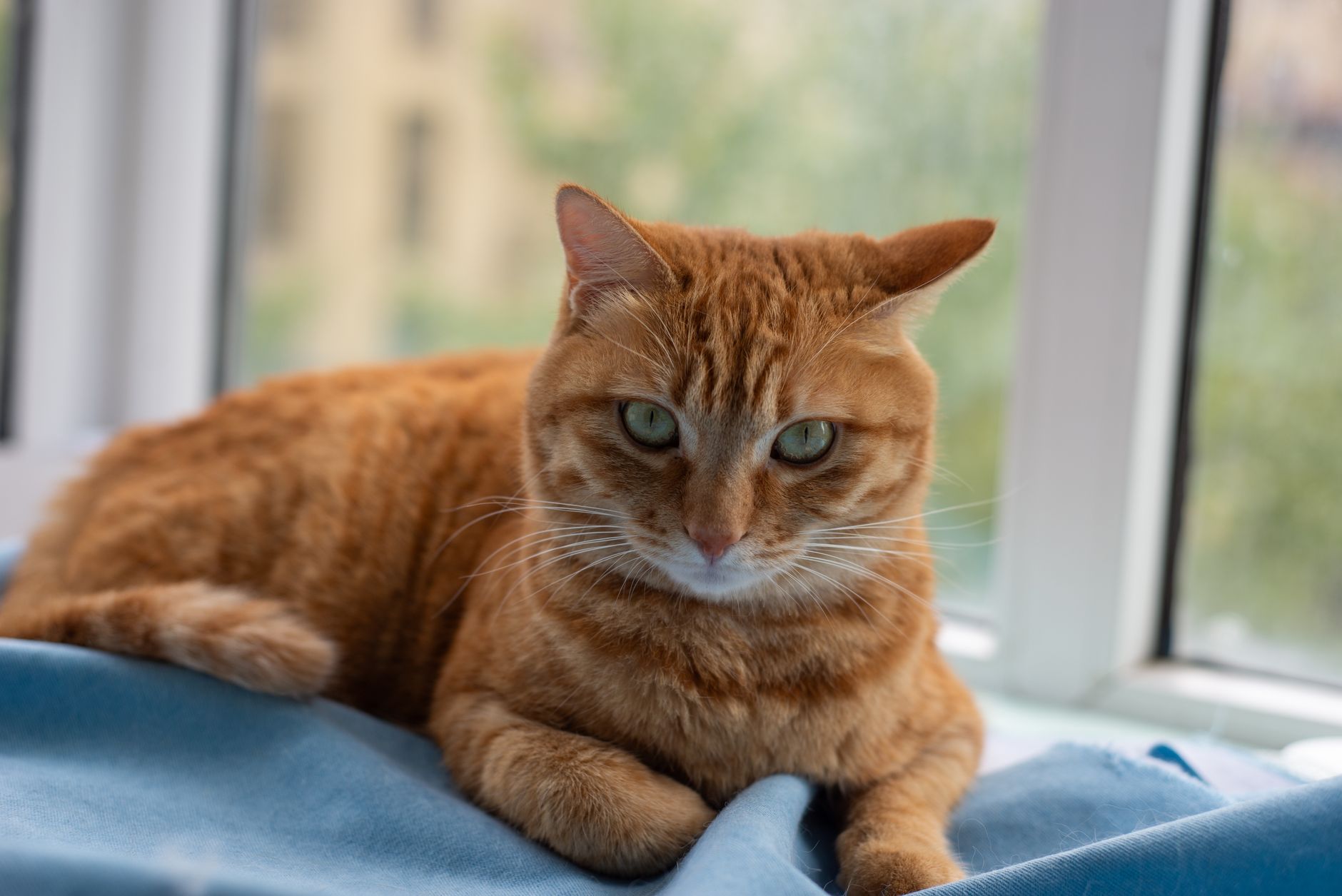
The Litter Box Itself: Size, Number, and Cleanliness
Once health is ruled out, the box is the next suspect, and this is where most owners are accidentally causing the problem.
Cleanliness. Cats are fastidious. A box that smells fine to you can be offensive to a nose far more sensitive than ours. Scoop at least once a day, and do a full litter change and box wash on a regular schedule. Skip harsh, heavily scented cleaners; the perfume can be a turn-off on its own.
Size. The box should be about one and a half times the length of your cat, nose to base of tail. Many store-bought boxes are simply too small, forcing the cat into an awkward crouch.
Number. The classic rule is one box per cat, plus one extra. Two cats means three boxes, spread across the home rather than lined up in a row, which cats read as a single station.
Covered vs. open. Hooded boxes trap odor inside and can feel like a trap to a nervous cat. If you use a covered box and are having trouble, try an open one as a test.
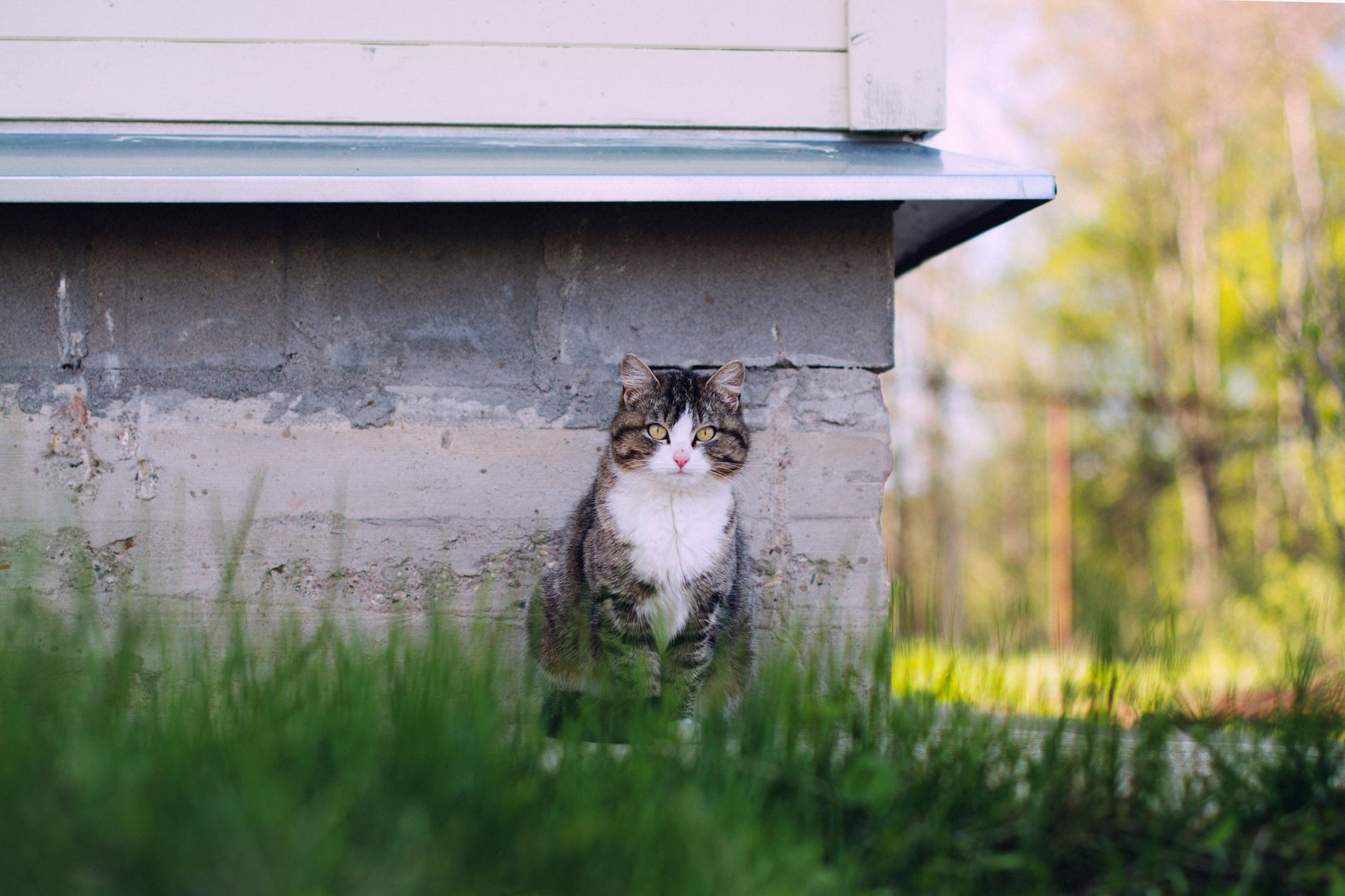
Location Matters More Than You Think
Where the box sits can make or break whether your cat uses it. Put yourself in your cat’s paws: they want a spot that feels safe but not cornered.
Avoid placing boxes right next to noisy appliances like a washing machine or furnace, which can startle a cat mid-use and create a lasting bad association. Keep the box away from food and water bowls; no animal likes to eliminate where it eats. And make sure an older cat or a small kitten does not have to climb stairs or squeeze past a bolder housemate to reach it.
Every box should have at least two exit routes so your cat never feels ambushed, especially in multi-cat homes.
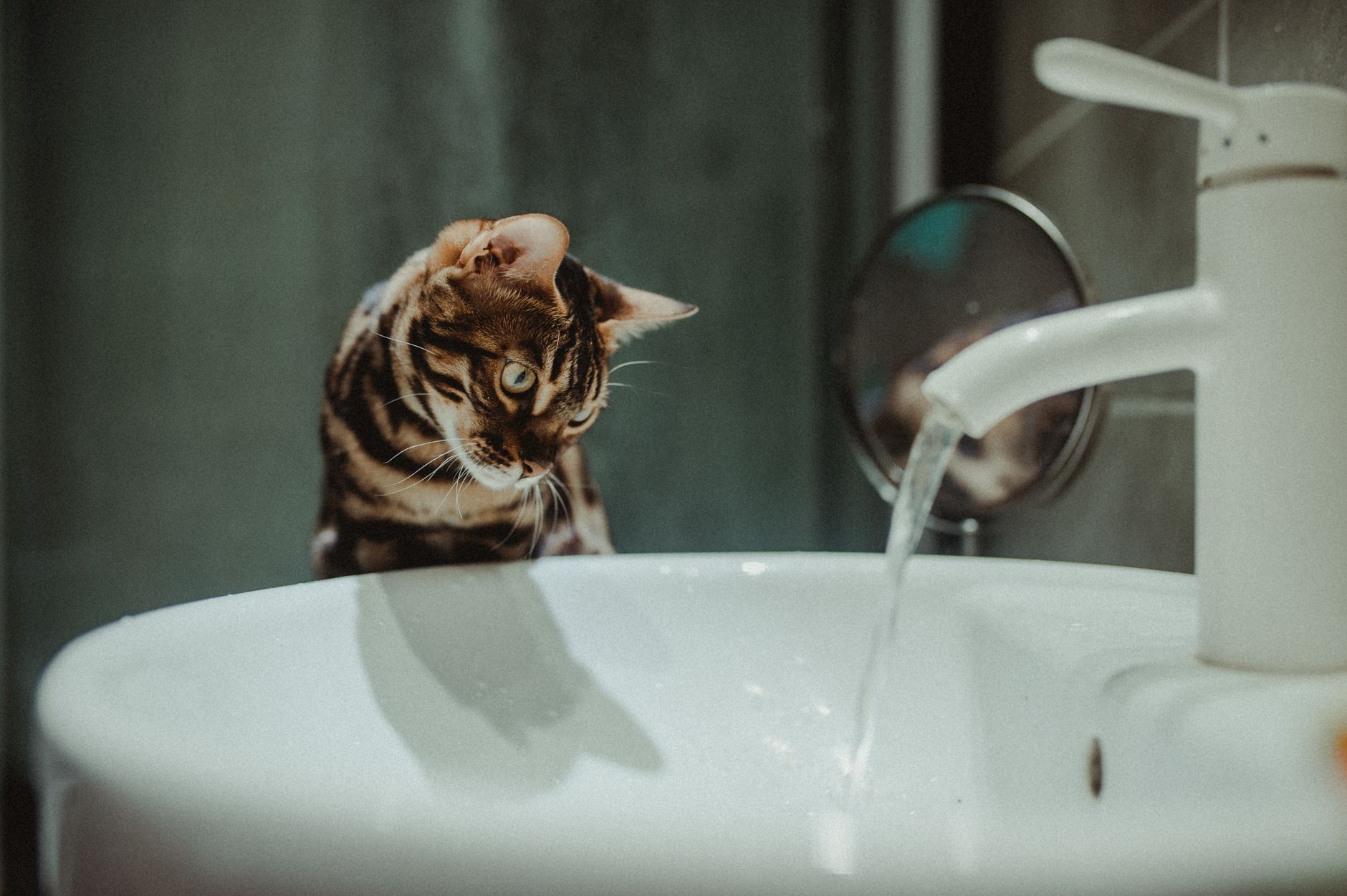
Litter Type and Texture
Cats develop strong preferences for how litter feels under their paws, and a surprise switch is a common trigger for protests.
Most cats prefer a soft, fine-grained, unscented clumping litter that mimics the sand they would instinctively choose. If you recently changed brands, textures, or scents, that alone could be the cause. Switch back to the old litter if you can, or transition gradually by mixing the new type into the old over a week or two.
If you are not sure what your cat prefers, you can run a simple litter buffet: set out two or three boxes side by side with different litters and see which one your cat votes for with its business.
Stress, Change, and Territory
Cats are creatures of habit, and litter box protests are often a reaction to something that changed in their world. Common stressors include a new pet, a new baby, a move, rearranged furniture, a change in your schedule, or even a stray cat visible through the window.
When a cat urinates on vertical surfaces with a quivering tail, that is usually spraying (a marking behavior) rather than a box problem, and it points to a territorial or stress trigger. Reducing stress with predictable routines, vertical space to climb, safe hiding spots, and calming pheromone diffusers can help. Give a stressed cat time and consistency; these fixes rarely work overnight.
Quick Troubleshooting Checklist
| Symptom | Most likely cause | First thing to try |
|---|---|---|
| Sudden change, straining, or blood | Medical issue | Vet visit right away |
| Going right next to the box | Box too dirty, too small, or disliked | Scoop daily, size up, try open box |
| Peeing on soft laundry or rugs | Litter texture or box aversion | Test a soft unscented clumping litter |
| Spraying on walls, quivering tail | Territorial or stress marking | Reduce stressors, add pheromone diffuser |
| Older cat missing the box | Arthritis, high box walls | Low-entry box, ground-floor location |
| Started after a change at home | Stress or routine disruption | Restore routine, add safe spaces |
When to Call Your Vet
Schedule a vet visit if the problem appears suddenly, if you see any straining or blood, if your cat seems in pain or is vocalizing, or if litter box changes at home do not improve things within a week or two. Ruling out or treating a medical cause early is far easier and cheaper than managing a habit that has had months to set in.
Final Thoughts
Litter box avoidance almost always has a reason, even when it feels random. Start with your cat’s health, then work through the box, the location, the litter, and finally stress. Change one variable at a time so you can tell what actually worked, and clean any accident spots with an enzyme cleaner so lingering odor does not invite a repeat. With a little detective work, most cats can be coaxed back to reliable habits.
For further reading, see the ASPCA guide to litter box problems.
Related reading: My Cat Keeps Waking Me Up at Night — Why It Happens and How to Actually Fix It and Automatic Cat Feeder for Multiple Cats: How to Choose.
Gear that helps with this
These are products we have reviewed in full, chosen because they address the specific problem covered above — not because they are the cheapest or the most advertised.
- Ring Pan-Tilt Indoor Cam — Seeing which box she approaches and then walks away from narrows the cause faster than guessing. Read our full review.
- Porens cat fountain filter set — Keeping a fountain clean keeps water appealing, which supports the hydration point above. Read our full review.
The Smart Cat Owner’s Gadget Checklist
20 gadgets worth owning, 8 to skip, and how to choose the right one — sent straight to your inbox.