
As an Amazon Associate, we earn from qualifying purchases. This post contains affiliate links; buying through them costs you nothing extra.
Does your dog barely touch his bowl when you leave for work, then inhale everything the moment you walk back through the door? You are not imagining it. A dog not eating during the day is one of the most common worries busy pet owners face — and it can snowball into real health problems if ignored. The good news is that the cause is almost always fixable once you understand what is driving the behavior. In this guide you will learn the seven most common reasons this happens and a clear, practical fix for each one.
In this article:
- Why dogs skip meals when left alone
- How stress and routine affect appetite
- The role of environment and food freshness
- Simple training adjustments that help
- When a gadget can bridge the gap
- Medical red flags to watch for
- FAQ
Why Dogs Skip Meals When Left Alone
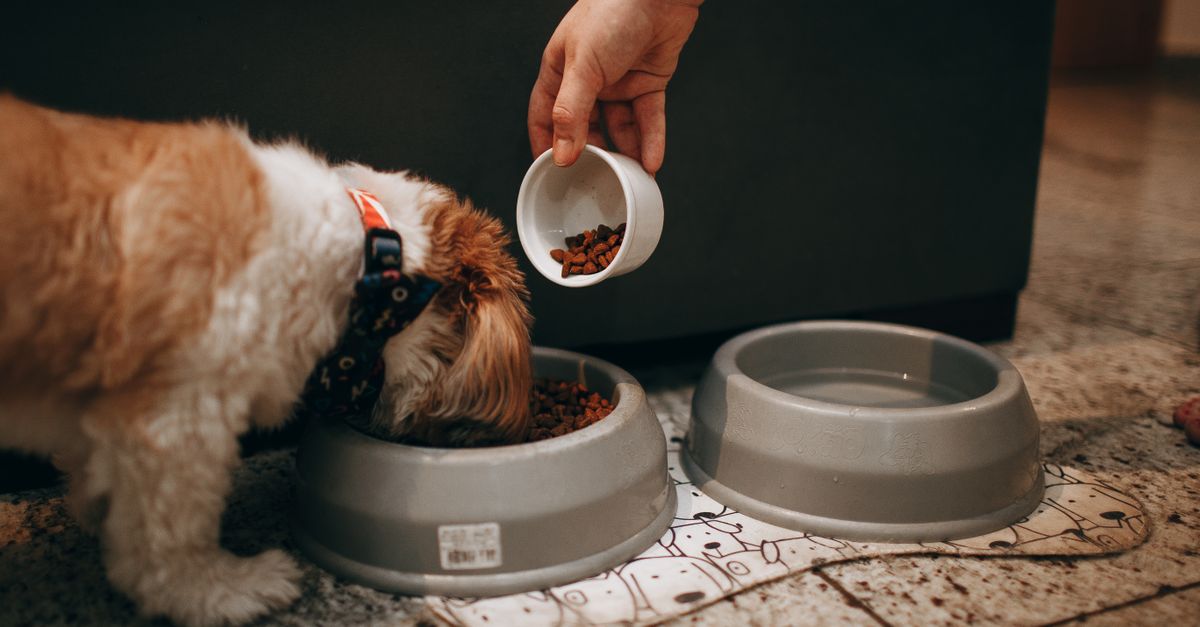
Dogs are deeply social animals. The moment their person leaves, the dynamic in the house shifts completely. Some dogs pace. Some sleep by the door. Some simply have no interest in the food bowl that was perfectly appealing five minutes ago. Understanding why helps you choose the right fix instead of guessing.
Fix 1: Recognize That Stress Is Killing His Appetite
Mild separation anxiety is the single most common reason a dog skipping meals during the day becomes a recurring pattern. Stress hormones genuinely suppress hunger. Your dog is not being stubborn — his body is in a low-level alert state, and digestion is not a priority in that mode.
What to do: Start a calm departure routine. Avoid long goodbyes. Put his meal down five minutes before you leave so he associates eating with your presence transitioning smoothly, rather than with you disappearing. Keep your exit quiet and consistent. Over a few weeks, this alone can reset his response.
If the anxiety is severe — destructive behavior, howling, accidents — that level of distress warrants a conversation with your vet or a certified behaviorist before anything else.
Fix 2: Lock In a Consistent Feeding Schedule
Dogs have strong internal clocks. If mealtimes shift by an hour or two from day to day, his hunger cues never align with when food is actually available. He might be legitimately not hungry at 7 a.m. because he ate at 9 p.m. the night before.
What to do: Pick two fixed times and stick to them within a 15-minute window every single day, including weekends. Consistency signals safety, and a dog that feels safe is far more likely to eat calmly.
Fix 3: Check Whether the Food Has Gone Stale or Warm
Wet food left in a warm bowl for more than an hour starts to smell off to a dog’s highly sensitive nose, even if it looks fine to you. Kibble near a sunny window can go rancid faster than owners expect. Your dog may be rejecting the food for a very practical sensory reason.
What to do: Switch to dry kibble for daytime meals if you are not home to refresh wet food. Store kibble in an airtight container away from heat and sunlight. Rinse the bowl daily — odor residue builds up even on bowls that look clean.
Fix 4: Remove the Free-Choice Grazing Habit
If food sits in the bowl all day available any time, many dogs lose the instinct to eat at a set moment. There is no urgency. The meal waits indefinitely, so eating becomes a low-priority background option.
What to do: Switch to structured meal feeding. Put the food down, give him 20 to 30 minutes, then pick up whatever remains. Do this at every meal, including the ones you are home for, so he learns the window closes. Within a week most dogs start eating promptly because they understand the opportunity is finite.
Fix 5: Rule Out a Medical Cause
A dog that suddenly stops eating after previously being reliable about meals may be telling you something physical is wrong. Dental pain, nausea, digestive issues, and other conditions all suppress appetite. A gradual change over weeks can also signal a slow-developing problem.
What to do: If your dog has skipped two or more meals in a row, is lethargic, vomiting, or drinking much more or much less water than usual, call your vet. Do not try to solve a medical problem with training or schedule changes. This is the one situation where home fixes are not appropriate.
Fix 6: Adjust for Boredom and Low Activity
An under-stimulated dog is often an anxious, restless dog — and restless dogs eat erratically. If your dog is not burning energy, his appetite regulation can go haywire in either direction, eating too little or too much depending on the individual.
What to do: Add a brisk 20-minute walk or play session before you leave in the morning. Physical activity triggers appetite and also burns off the nervous energy that feeds separation stress. A mentally tired dog is more likely to settle, relax, and eat on schedule. For ideas on keeping him engaged during the day, our guide on Pet Camera for Separation Anxiety: Stop the Barking in 7 Steps covers enrichment strategies alongside monitoring.
Fix 7: Use a Timed Feeder to Deliver Meals on Schedule
If you have fixed the routine, the anxiety, and the food freshness issue but the timing is still off because you leave before he is truly ready to eat, a timed automatic feeder can bridge that gap. It dispenses a measured portion at the exact moment his hunger peaks, not whenever you happen to be home.
The benefit is not convenience for its own sake — it is that the meal arrives at a biologically reliable moment, which trains a predictable appetite cycle. A bowl that appears on its own, consistently, starts to feel safe and normal even without you present. For dogs that free-roam, a feeder with portion control also prevents the gorging that sometimes follows a skipped midday meal. Our review of the Automatic Dog Feeder: Meikuler 5.2L Set, 3 Big Wins walks through exactly what to look for in that category.
Pair the feeder with a pet camera so you can verify he actually eats when the meal dispenses — and catch the days he does not, which is information your vet will find useful. We cover that combination in detail in our Dog Camera 2-Pack: 5 Reasons Tapo C211 Wins guide.
For background on canine stress and its physical effects, the American Veterinary Medical Association provides a reliable overview that complements what you are doing at home.
FAQ
Why is my dog not eating while I am at work?
The most common reasons are mild separation anxiety, an irregular feeding schedule, food that has gone stale or warm, or a medical issue. Start by fixing the schedule and departure routine before assuming a health problem.
How many meals should I leave for my dog during the day?
Most adult dogs do well on two meals — one before you leave and one when you return. Puppies and some small breeds may need three. Avoid leaving food out all day, since that removes the urgency to eat at set times.
Can a dog not eating for one day hurt him?
A healthy adult dog missing one meal is usually not dangerous, but two or more skipped meals in a row, especially alongside other symptoms, warrant a vet call. Never try to wait out what might be a medical issue.
Will an automatic feeder help a dog not eating on schedule?
It can help significantly, particularly when the problem is that food arrives at an inconsistent time or sits too long before your dog is ready to eat. Timed feeders deliver a fresh portion at the same moment every day, which trains a reliable hunger rhythm.
Should I leave a treat or toy near the bowl to encourage eating?
Puzzle feeders or treat-dispensing toys placed near the meal area can create a positive association with that space when you are away, which sometimes eases the anxiety that suppresses appetite. Just make sure the toy does not become more interesting than the actual food.
When should I call the vet about my dog skipping meals?
Call your vet if your dog skips two or more consecutive meals, shows lethargy, vomiting, diarrhea, unusual thirst, or weight loss. A sudden change in appetite after a long reliable streak also deserves a checkup.
The Bottom Line
A dog not eating while you are gone is stressful to watch — but in most cases it is a behavior pattern, not a mystery. Fix the schedule first. Calm the departure. Keep the food fresh. Add morning exercise. Then layer in tools like timed feeders and cameras to hold the system together on the days everything else is already right. Start with one change today, watch for a week, and adjust from there. Small, consistent shifts build the reliability your dog needs to finally feel safe enough to eat.
Gear that helps with this
These are products we have reviewed in full and that fit the problem covered above.
- Best Dog Leashes: 4 Picks for Pullers, Dark Walks and Runs – read our full review, or see it on Amazon.
- Hands Free Dog Leash: iYoShop Bungee Review in 5 Key Wins – read our full review, or see it on Amazon.
The Smart Dog Owner’s Gadget Checklist
20 gadgets worth owning, 8 to skip, and how to choose the right one — sent straight to your inbox.