
As an Amazon Associate, we earn from qualifying purchases. This post contains affiliate links; buying through them costs you nothing extra.
Bringing a second cat through the front door is one of the most exciting — and nerve-wracking — moments in a pet owner’s life. Introducing a new cat the wrong way can trigger weeks of hissing, hiding, and stress for every creature in the house, including you. The good news is that a slow, structured approach usually works, even if your resident cat seems like the world’s most territorial creature. You deserve to enjoy this moment instead of dreading it. In this guide you will learn exactly why cats clash at first, what signals to watch for, and seven clear steps that make the whole process as calm as possible.
Why Introducing a New Cat Starts With Hissing
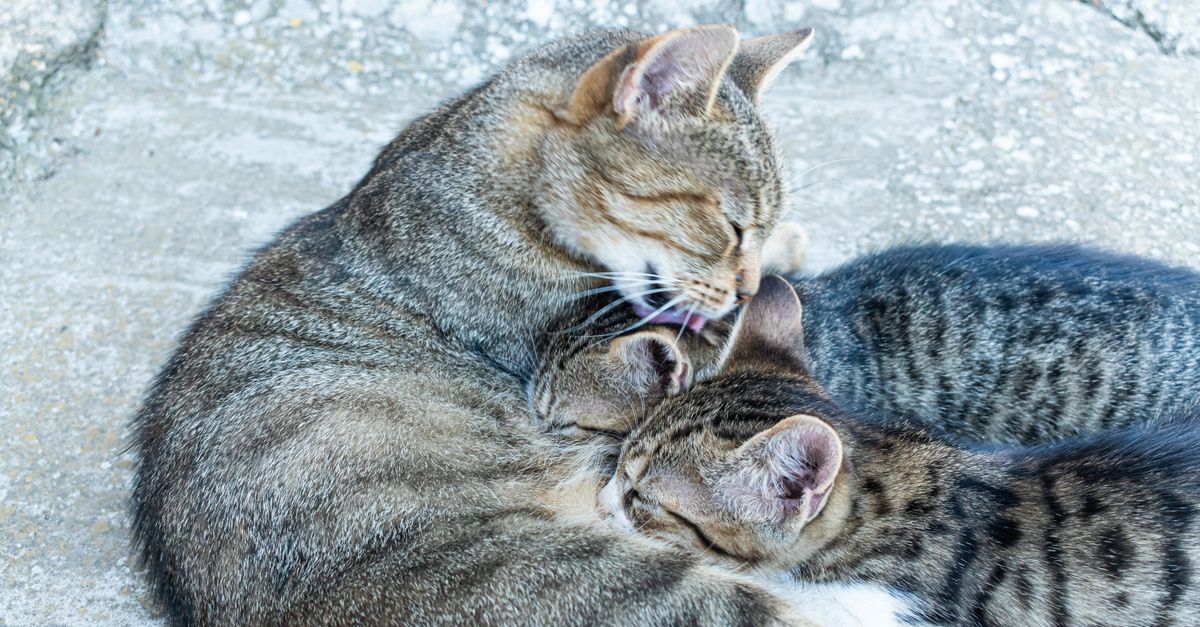
Cats are fundamentally territorial animals. A stranger walking into their space reads as a threat, not a new friend. Your resident cat has mapped every corner of your home and considers it entirely hers. A new scent, sound, or silhouette triggers a stress response that can look like aggression but is really fear. Rushing the process almost always backfires. Understanding this biology makes it much easier to be patient through the slower parts of the introduction.
Step 1: Set Up a Safe Room Before the New Cat Arrives
Before introducing a new cat, even before you drive to the shelter, prepare a dedicated room for the newcomer. A spare bedroom or a large bathroom works well. Stock it with a litter box, fresh water, food, a cozy bed, and a few toys. Vertical space — a small cat tree or a cleared shelf — helps a nervous cat feel secure. Close that door firmly. Your resident cat will smell the setup through the crack, which starts the scent introduction before the newcomer even arrives. Beginning this way removes the immediate shock of a strange animal roaming every room.
Step 2: Keep Everyone Separated for the First Few Days
Once the new cat is home, resist every urge to let them meet immediately. Rushing this stage is where introducing a new cat most often goes wrong. Keep the safe room door closed for at least three to five days, sometimes longer if either cat seems highly stressed. Signs of stress include hiding, refusing food, excessive grooming, or spraying. If you notice any of those signs persisting beyond a week, a vet visit is worthwhile to rule out an underlying health issue. During this phase, spend equal time on both sides of the door so neither cat feels ignored or replaced. Consistency here sets the emotional tone for everything that follows.
Step 3: Swap Scents Before Faces Ever Meet
When introducing a new cat, scent is the primary language the two cats use to evaluate one another.
On day two or three, take a soft cloth and gently rub it along your resident cat’s cheeks and chin, then place that cloth near the new cat’s food bowl — not on top of it. Do the reverse with a cloth that carries the newcomer’s scent. Feeding near these cloths builds a positive association: that strange smell predicts good things. You can also swap bedding between the two spaces. Repeat this daily. When the cats eventually see each other, they will already recognize each other’s scent, which softens the shock of that first visual encounter. The American Association of Feline Practitioners publishes owner resources on keeping multi-cat households calm.
Step 4: Feed on Opposite Sides of a Closed Door
Once both cats are eating normally in their separate spaces, move their food bowls closer to opposite sides of the closed door, a few inches at first. Over several days, gradually slide each bowl toward the door. The goal is for both cats to eat calmly while smelling each other under the gap. This step can take anywhere from three days to two weeks depending on temperament. Never rush it. If either cat stops eating or growls constantly, simply move the bowls back to a comfortable distance and progress more slowly. Patience during this phase prevents weeks of conflict later.
Step 5: Allow Controlled Visual Contact
After both cats eat comfortably near the closed door, crack it open just enough for them to see each other — a baby gate or a cracked door held by a doorstop works well. Watch body language carefully. Slow blinking, relaxed tails, and mild curiosity are green lights. Puffed tails, flattened ears, and sustained staring are red flags. Keep these visual sessions short: five to ten minutes at a time, several times a day. Always end on a calm note. If a session escalates into hissing or lunging, calmly separate them without punishment and try again the next day with a shorter session.
Step 6: Supervised Face-to-Face Meetings
When both cats consistently show relaxed body language during visual contact, open the door fully and let the newcomer explore the main living space while you supervise. Do not force them together. Let them approach each other on their own terms. Have a second person present if possible so each cat has a calm human nearby. Some hissing during early meetings is completely normal and does not mean the introduction has failed. Keep a towel on hand to gently separate them if tension rises sharply. Reward calm behavior with treats and quiet praise. These sessions will get longer and calmer over days and weeks.
Step 7: Give Each Cat Its Own Resources
One of the most common reasons cats fight long-term is resource competition. The standard recommendation is one litter box per cat, plus one extra. The same logic applies to food stations, water sources, and resting spots. Placing resources in separate areas of the home prevents any single cat from guarding everything. Vertical space helps enormously — a cat who can claim a high perch feels safe enough to tolerate a rival at ground level. If you currently feed your cats using a timed automatic feeder, consider whether separate feeding stations would reduce tension at mealtimes. You can read more about smart feeding options in our guide to the best automatic cat feeders for multiple cats.
Tech That Supports a Smoother Transition
A few categories of pet tech make introducing a new cat significantly easier, especially for working owners who cannot supervise every interaction.
Indoor cameras let you check on both cats remotely during the day. You can spot early signs of tension — pacing, door-scratching, or hiding — before they escalate. Being able to watch a live feed from your phone removes a lot of the guilt that comes with leaving during such a sensitive period. For a solid option in this category, our Ring Indoor Cam review covers the basics well.
Separate automatic feeders eliminate mealtime competition entirely. Each cat eats on a programmed schedule at its own station, so no single cat can guard the food supply. This is especially helpful during the early weeks when tension is still high.
Pheromone diffusers — plug-in devices that release a synthetic calming signal — are a common option in multi-cat homes. They are meant to ease background stress rather than sedate, and they work best alongside the slow steps above, not as a replacement for them. Place one in each of the two spaces the cats occupy most.
If litter box stress becomes an issue — a common side effect when a cat feels its territory is threatened — our look at the self-cleaning litter box PuraMax 2 explains how automatic boxes keep odor and mess from becoming an added stressor.
FAQ
How long does introducing a new cat to a resident cat usually take?
Most introductions take two to six weeks from arrival to comfortable coexistence. Some cats reach a relaxed truce in ten days; others need three months. Personality, age, and past experience with other cats all affect the timeline.
Is hissing during the introduction normal?
Yes. Hissing is a warning signal, not an attack. It typically decreases as both cats become familiar with each other’s scent and presence. Sustained aggression with contact — biting, chasing, or drawing blood — is different and may warrant a vet or behaviorist consultation.
How do I know when introducing a new cat can move to the next step?
Watch the eating test. If both cats eat calmly while the other is present on the other side of the door, they are ready for the next step. Refusal to eat is the clearest sign they need more time.
Should I use a separate litter box for each cat?
Absolutely. One box per cat plus one extra is the widely accepted minimum. Sharing too few boxes is a leading cause of long-term territorial conflict and inappropriate elimination.
My resident cat seems depressed since the new cat arrived. What should I do?
Increase one-on-one play and attention with your resident cat. Depression-like symptoms — withdrawal, reduced appetite, less grooming — often reflect stress rather than true illness, but if they persist beyond two weeks, schedule a vet visit to be certain.
Take it one step at a time, trust the process, and remind yourself that short-term hissing is not failure. Every day of patient separation is an investment in years of peaceful cohabitation. Slow down. Stay consistent. Your cats will get there — and so will you.
The Smart Cat Owner’s Gadget Checklist
20 gadgets worth owning, 8 to skip, and how to choose the right one — sent straight to your inbox.
Gear that helps with this
These are products we have reviewed in full and that fit the problem covered above.
- Budget Cat Gadgets: 7 Affordable Picks That Earn Their Keep – read our full review, or see it on Amazon.
- Cat Not Eating While Alone: 7 Fixes That Work – read our full review, or see it on Amazon.